Curly hair has its own rhythm, twisting and turning in ways straight strands never do. Yet in humid weather, those curls can puff up, lose shape, and feel hard to manage.
That is why understanding your curl pattern, choosing hair-friendly products, and following a routine that supports moisture and definition makes such a difference. With a few focused steps and consistent habits, you can easily care for curly hair and keep your curls defined and healthy.
Step 1: Choosing the Best Products for Curly Hair
Finding suitable haircare products is the first step toward healthy curls. Curly strands need moisture, gentle cleansing, and formulas that enhance their natural shape rather than disrupt it.
1. Shampoo
Traditional shampoos with sulphates foam well but tend to strip natural oils that curls require. Switching to sulphate-free or low-lather shampoos keeps hair hydrated and less frizzy. If you often swim or struggle with excess scalp oil, mild sulphate shampoos can still work, provided they are not used too frequently.
2. Conditioner
Conditioner is where curls get most of their softness and hydration. Silicone-free formulas help moisture penetrate the hair rather than just coating its surface. Focus the application on the mid-lengths and ends, as these areas usually dry out faster and need extra nourishment to stay smooth and defined.
3. Styling Products and Proteins
Styling products shape your curls while keeping frizz in check. Silicone-free gels, creams, or mousses help curls form naturally without buildup.
Additionally, protein treatments can strengthen strands, especially if hair feels weak or breaks easily, but always introduce them slowly to avoid stiffness.
Step 2: Prepping, Washing, and Drying Curly Hair
Healthy curls start long before the final styling step. How you take care of your curly hair sets the tone for curl definition, shine, and long-term strength.
1. Prepping Hair
Preparation gives curls the moisture and slip they need before shampooing.
- Start by cleansing lightly to remove old products and buildup without stripping oils.
- Follow this with a silicone-free conditioner so the strands stay hydrated and easier to manage once water hits them.
2. Washing Technique
Washing curly hair is more about technique than force.
- Gently massaging the scalp helps lift natural oils, which nourish roots and keep them balanced.
- Instead of brushing, finger-comb your hair while conditioning. This keeps curl clusters intact and limits breakage.
3. Drying Technique
Drying curly hair with care protects its shape.
- Skip combing after rinsing and scrunch curls while they are still wet to encourage a natural curl pattern.
- Use a microfiber towel or soft cotton cloth to reduce frizz.
- Let hair air-dry whenever possible, or use a diffuser on a low-heat setting to keep curls springy and well-formed.
4. Maintenance Between Washes
Curly hair often looks better a day or 2 after washing, and proper care between wash days keeps it healthy.
- Refresh curls with a bit of water or leave-in conditioner to calm frizz and revive definition.
- Try limiting washes to 1 or 2 times per week to retain natural moisture.
- Regular trims every 6 months also prevent split ends and help curls maintain their shape.
Step 3: No-Poo, Lo-Poo, and Co-Washing Methods
When it comes to washing, curls don’t follow a one-size-fits-all rule. Different cleansing methods help keep curls happy and hydrated.
1. No-Poo Method
The No-Poo approach skips shampoo completely and relies on water, conditioner, and scalp stimulation to keep curly hair clean. This method encourages scalp care by protecting natural oils and supporting moisture balance.
It often takes time for the scalp to adjust, and you may notice more oil at first. As the scalp settles, curls usually become softer and more defined.
2. Lo-Poo Method
The Lo-Poo routine uses shampoo, but only formulas with very mild cleansing agents. The shampoo removes dirt and product buildup without stripping the oils curls need.
3. Co-Washing
Co-washing replaces shampoo with conditioner to gently cleanse hair while maintaining moisture levels. This method suits curls that get dry quickly or feel rough after regular shampooing. It hydrates strands while lifting light surface buildup from the scalp, leaving hair soft and easier to style.
Step 4: Drying Curly Hair with Plopping or Plunking
Just like there are different methods for washing curly hair with care, there are also gentler ways to dry it for maximum curl definition.
Plopping, also known as plunking, is a curl-friendly drying technique used right after washing. Instead of rubbing your hair with a regular towel, lay a microfiber towel or a soft cotton T-shirt flat and wrap your curls in it.
This keeps strands lifted and supported as they dry, helping curls form naturally while reducing frizz and absorbing excess moisture. Once unwrapped, curls look bouncy, defined, and beautifully shaped with minimal disturbance.
Step 5: Adding Volume to Curly Hair
Building volume in curly hair starts at the roots. Here are some tips:
- Flip your hair upside down and lightly shake the roots as it dries. This helps curls lift from the scalp rather than flatten.
- For an extra boost, use styling clips at the roots or a diffuser attachment to direct airflow without disturbing curl clumps.
- Make sure to work on low heat so moisture stays locked in and curls remain strong and defined.
Step 6: Choosing the Right Curly Haircut
Since curly hair shrinks and behaves differently from straight hair, choosing the right cutting approach and stylist can help care for your hair texture.
1. Dry vs Wet Haircuts
Cutting curls dry has become one of the most trusted techniques for achieving a shape that matches your real curl pattern.
When curls are wet, they stretch, hang longer, and lose their natural spring, which can cause unexpected shrinkage after drying. Dry cutting lets stylists work with curls exactly as they exist, reducing surprises in length and shape.
2. Layering for Shape and Volume
Layers prevent curls from stacking into a triangular shape and help each curl family fall into place. Proper layering lifts weight, encourages natural bounce, and keeps texture lively rather than flat or puffy.
3. Finding a Skilled Stylist
Just like choosing the right haircut is essential, choosing a stylist who truly understands curls can shape your entire experience.
Curly hair needs someone who studies its pattern, density, and movement before cutting, so the final look supports the curl instead of fighting it. That is what we do at Hairloom, where every step reflects thoughtful curl-focused care and technique.
Each haircut is crafted to flatter your features and match your personal style, with stylists trained to sculpt curls in a way that enhances their natural definition and boosts your confidence.
Embrace Healthier, Happier Curls with Hairloom
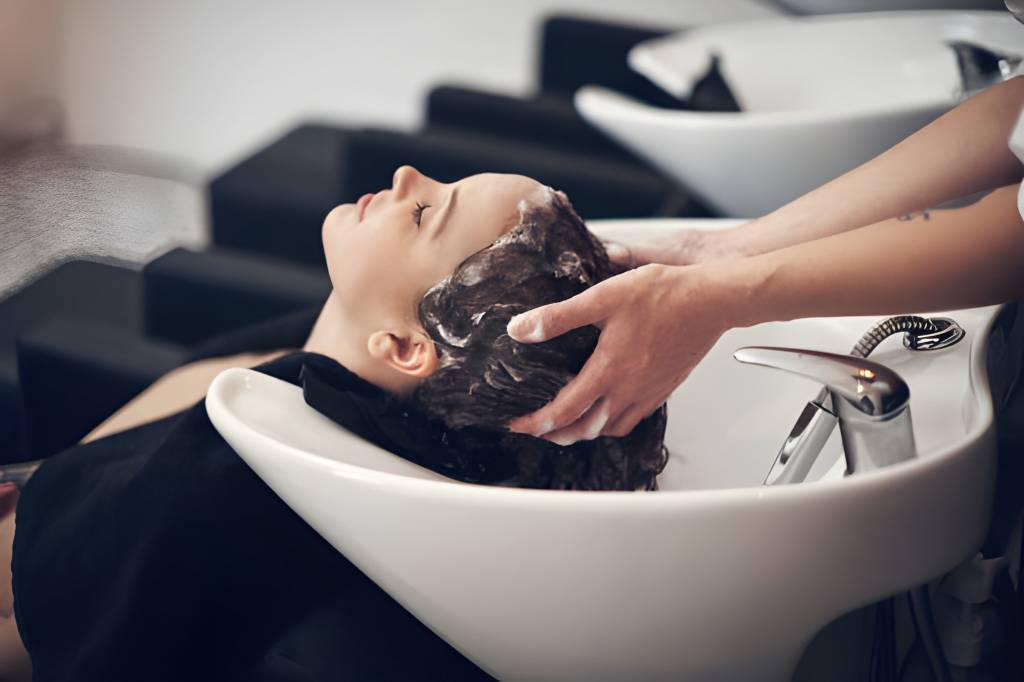
Even with the right products and a consistent hair care routine, curls flourish best when guided by expert knowledge and supportive techniques.
That is where Hairloom elevates the experience.
From curl-friendly haircuts to K-Gloss treatment services and professional scalp treatments, we help you take care of your hair for healthier, shinier, and more manageable curls. Alongside curl services, Hairloom offers colouring, styling, perms, straightening, and different types of hair treatments to suit every hair goal.
Book your appointment today and let your curls shine with confidence and ease.